Balloon Pop Kids Learning Game
Bebi Family: preschool learning games for kidsEducational
4.36.65K Reviews
- Version
- 19.01.27
- Installs
- 5.00M
- Age Rating
- Everyone
Screenshots
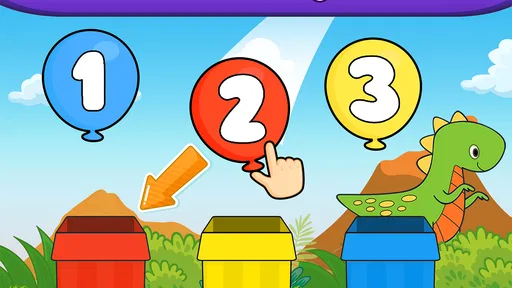
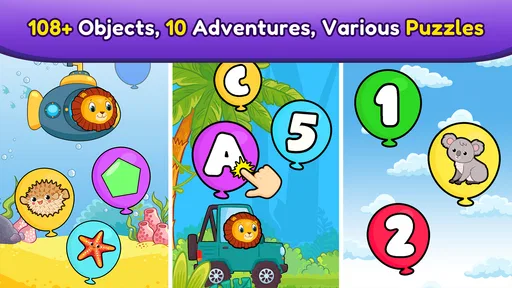
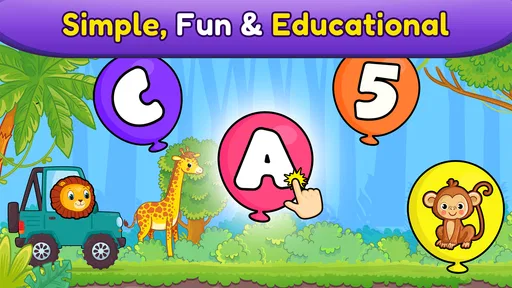
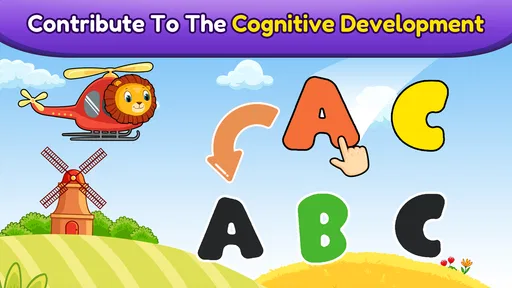
Our Review of Balloon Pop Kids Learning Game
 Analysis by Appyee
Before handing this game to a child, I’d set expectations around what it does best: it turns a simple balloon-popping action into a playful way to encounter early-learning ideas. It is an educational game from Bebi Family: preschool learning games for kids, aimed at young children who are beginning to notice letters, numbers, shapes, and colors. I’d treat it as a short, hands-on activity rather than a replacement for books, conversation, or a broader preschool program.
What to expect from the first session
The central appeal is easy to understand even before a child knows how to read: tap a balloon, see what appears, and hear a cue connected with it. That makes the game approachable for children who are still learning how to use a touchscreen. The experience is built around recognition and repetition, so it suits a child who enjoys repeating a familiar action more than following a long set of instructions.
It is also worth being realistic about the learning. A cheerful response can make a letter or shape memorable, but a child may still need an adult to connect it with something in the room or in a book. I would use the game as a prompt for a tiny conversation: after a shape appears, ask the child to find something similar nearby. That turns a screen moment into a useful practice rather than simply another round of taps.
Getting started without making it a project
The game is free to download, carries an Everyone age rating, and runs on Android 6.0 or later. Its current version is 19.01.15. In-app purchases range from $1.49 to $49.99 per item, so I would check the purchase settings before letting a child play independently. The store summary describes the experience as having no ads, which is reassuring for a child-focused game, but it does not remove the need for an adult to handle purchase controls.
For a first try, I’d keep the setup simple: open the game together, let the child choose a learning area, and stay nearby long enough to see how they respond to the sounds and pace. If the music or effects feel distracting, that is useful to learn early, before relying on the game during a quiet moment. A short, shared first session also gives the adult a chance to show that tapping a balloon is the main interaction.
The first small success
A good first goal is not finishing a section or proving that a child has mastered anything. It is seeing them make the connection between a tap and the item revealed. I’d name what appears, repeat it naturally, then invite the child to point to the same letter, number, color, or shape elsewhere. If they want to pop another balloon, that enthusiasm is a fine stopping point for the first session; there is no need to turn play into a test.
One practical tip is to use the game when a child has a little energy to spare but not enough time for a longer activity, such as a few minutes before dinner or while waiting at home for an appointment. I would avoid treating it as a guaranteed way to occupy a child without supervision. The interaction may be simple, but younger children still benefit from an adult nearby to keep the session calm and to help them make sense of what they see.
A closer look at learning and everyday use
Hey there! So, I recently got my hands on this super fun and colorful app called Balloon Pop Kids Learning Game. Let me tell you, it's quite the gem for keeping the little ones entertained while sneaking in some learning. As someone who's always on the lookout for apps that combine fun with education, I was pretty curious to see what this one had to offer. Spoiler alert: It didn’t disappoint!
First Impressions
Jumping right in, the app's interface is bright and inviting. It’s like a burst of colors that immediately grabs your attention, which is perfect for kids. The Balloon Pop Kids Learning Game is designed with a simple layout to ensure that even toddlers can navigate it with ease. The cheerful music and sound effects add an extra layer of excitement, making it pretty irresistible. Plus, the game promises to help with cognitive development, which is a huge win in my book.
Gameplay and Features
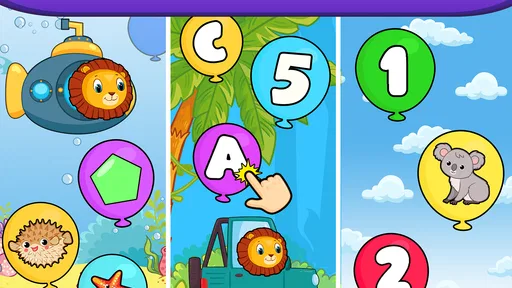
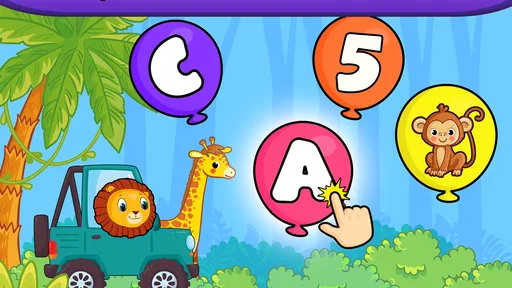
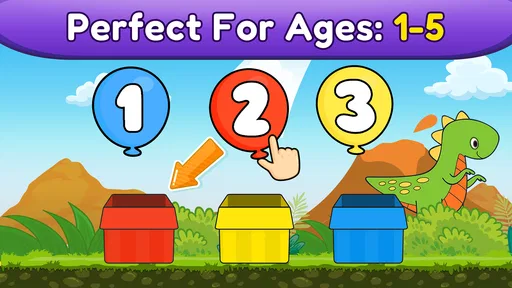
So, how does it work? The premise is straightforward: kids pop balloons to reveal numbers, letters, shapes, and colors. It’s as simple as that. But beneath this simplicity lies a well-crafted learning experience. Each popped balloon rewards the child with a delightful animation and a verbal cue, reinforcing what they've just learned. It's all about repetition and reinforcement, which, as we know, is key for young learners.
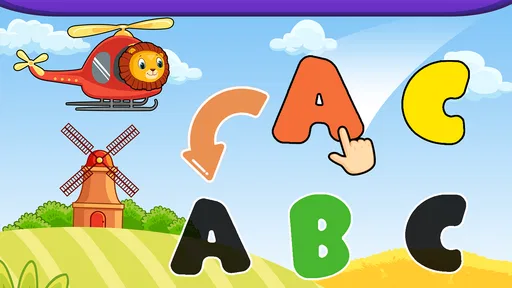
The game is divided into different sections to target various learning areas. There are levels dedicated to numbers where kids can count and learn numerical order. Then there’s a letters section to help them recognize alphabets and eventually form simple words. Shapes and colors, which are crucial for early learning, are also part of the package. It’s like having a mini preschool curriculum packed into one app!
Educational Value
What really stands out to me is how this app cleverly combines entertainment with education. Kids are naturally drawn to popping balloons, and this app uses that attraction to teach them something new. By integrating auditory and visual elements, it caters to different learning styles, ensuring that every child can benefit from it. The positive reinforcement with cheers and playful sounds after each correct answer is a thoughtful touch that encourages continued play and learning.
To get more value from that repetition, I’d rotate the focus instead of asking a child to work through every kind of activity in one sitting. A child who is just starting to notice letters may get more from a few letter examples, followed by a real-world connection such as spotting the first letter on a familiar book. Another day, shapes can be the focus: after playing, invite the child to find a round plate or a square object. These small links help adults judge whether the game is sparking recognition, without turning a relaxed activity into a lesson plan.
This is where I see a useful trade-off compared with a physical picture book or a set of flashcards. The game adds sound, motion, and an immediate response to a tap, which can hold a young child’s attention when a static page does not. A book, by contrast, is easier to share, pause over, and use for open-ended conversation, and it does not make screen time part of the activity. I would choose the balloon game for a brief interactive change of pace, and a book or hands-on objects when the goal is a longer conversation or practice away from a device.
Usability for Parents and Caregivers
Let’s talk about the usability from a parent or caregiver’s perspective. The app is super easy to install and doesn’t require any complex setup, which is a relief. You can just hand over the device, and the kids are good to go. There’s no need to constantly supervise, as the app is designed to be safe and child-friendly. Plus, it offers a distraction-free environment with no ads, ensuring that the kids can focus solely on learning.
I would still make the first play session a shared one. That is not because the basic interaction is complicated, but because a child may want help choosing what to explore or understanding a spoken cue. It also lets me check whether the volume and pace work for that particular child. If they lose interest quickly, I would not push them to continue; a short visit can be more successful than trying to make the game fill a whole stretch of free time.
Another feature I appreciate is the ability to track progress. Parents can see which areas their children excel in and where they might need a little extra help. It’s a useful feature that turns this app into a comprehensive learning tool, rather than just a game.
For families comparing it with broad preschool-learning apps, the main distinction is its focused, tactile premise: the child taps balloons and gets immediate visual and spoken feedback around early concepts. That can be a better fit than an app with many different activities if a toddler is easily overwhelmed by menus or choices. On the other hand, families looking for a structured course, a detailed teaching plan, or a wide range of subject areas may prefer a more comprehensive learning resource. I would not use this game alone to judge a child’s progress; observations during play are a starting point, not a formal assessment.
When it fits, and when I’d choose something else
I think this is a good match for a preschool-age child who enjoys tapping, bright visual feedback, and hearing words repeated. It can work well during a short wait at home, as a parent-child activity after a book, or as a change of pace when a child needs something more interactive than looking at cards. For a realistic routine, I might let a child explore for a few minutes before dinner, then ask them to find one color or shape in the kitchen. That gives the screen activity a natural end and carries the idea into everyday life.
I’d skip it, or keep it as only one small option, if a child becomes overstimulated by lively sound and animation, if the family is trying to avoid screen-based play, or if the child is ready for more complex reading and number challenges. A quieter book, blocks, drawing, or a conversation may be a better match in those situations. Children also differ in how much repetition they enjoy, so the same simple loop that feels satisfying to one child may become monotonous to another.
The game has a 4.4 average from around 45,000 ratings, with over 5 million installs, which suggests it has reached many families, though popularity does not tell me whether it suits a particular child. I’d make that decision by watching how the child responds: do they notice the spoken cue, try another balloon willingly, or connect a concept to something nearby? If so, it is earning its place as a small learning activity. If they only tap rapidly without engaging, I would switch to a slower shared activity rather than expecting more screen time to produce better learning.
Final Thoughts
All in all, I’d say the Balloon Pop Kids Learning Game is a fantastic addition to any child's digital library. It’s educational, entertaining, and thoughtfully designed to cater to young minds. Whether you’re looking to keep your kids occupied during a long car ride or hoping to reinforce their learning at home, this app has got you covered.
With its engaging gameplay and educational benefits, it’s easy to see why this app is becoming a favorite among parents and educators alike. So, if you’re in the market for a fun and educational app for the kids, give this one a shot. Trust me, they’ll love it, and you’ll feel good knowing they’re learning while having fun!
My recommendation is to start with one short, accompanied session and let the child’s reaction guide what happens next. Keep purchase controls in adult hands, use the game as a springboard for naming things beyond the screen, and choose another activity when the child needs quieter or more varied practice. With those expectations, it can be an appealing free starting point for playful introductions to early concepts; just remember that in-app purchases are available and that the best learning still comes from the shared attention around the game.
Verdict
Strengths of Balloon Pop Kids Learning Game
- Engaging visuals keep kids entertained.
- Simple controls for easy navigation.
- Educational content enhances learning.
- No in-app purchases, kid-safe environment.
- Offline mode available for travel use.
Limitations of Balloon Pop Kids Learning Game
- Limited content may bore older kids.
- Repetitive music can be annoying.
- Occasional ads despite being kid-friendly.
- Some levels lack challenge.
- Graphics may not appeal to all children.
Other Releases by Bebi Family: preschool learning games for kids
View All
Baby Puzzle Games for Toddlers
Educational4.7

Baby Games for 1-3 Year Olds
Educational4.5

Bebi: Baby Games for 2-4y kids
Educational4.6

ABC Games: Phonics & Tracing
Educational4.7
Similar Picks in This Category
View All
Little Panda Policeman
BabyBus4.0

Monster Trucks Game for Kids 2
Raz Games4.1

Little Panda's Chinese Recipes
BabyBus4.4

Little Panda's Restaurant
BabyBus4.4

Little Panda's Ice Cream Games
BabyBus4.3

Baby Panda Care
BabyBus3.8
Frequently Asked Questions
What age group is the Balloon Pop Kids Learning Game suitable for?
The Balloon Pop Kids Learning Game is designed for children aged 2 to 5 years. It combines fun with learning, helping young kids develop basic skills such as counting, color recognition, and hand-eye coordination. Parents can feel confident that the content is age-appropriate and educational.
Does the Balloon Pop Kids Learning Game require an internet connection?
No, the Balloon Pop Kids Learning Game does not require an active internet connection to play. This makes it convenient for parents and kids to use the app on the go, whether on long car rides or in areas with limited connectivity, while still enjoying all its features.
Are there in-app purchases or advertisements in the Balloon Pop Kids Learning Game?
The game offers a free version with optional in-app purchases to unlock additional features and content. While the free version includes some advertisements, purchasing the full version removes these ads, allowing for an uninterrupted learning experience for your child.
How does the Balloon Pop Kids Learning Game enhance educational development?
The game promotes learning by incorporating elements of counting, language skills, and cognitive development through interactive gameplay. By popping balloons with numbers, letters, and colors, children reinforce their knowledge and improve their fine motor skills, making learning both effective and enjoyable.
Is the Balloon Pop Kids Learning Game available on both Android and iOS platforms?
Yes, the Balloon Pop Kids Learning Game is available for download on both Android and iOS platforms. Users can easily find it on the Google Play Store and the Apple App Store, ensuring a wide reach for different devices and operating systems.
Play our best games!


